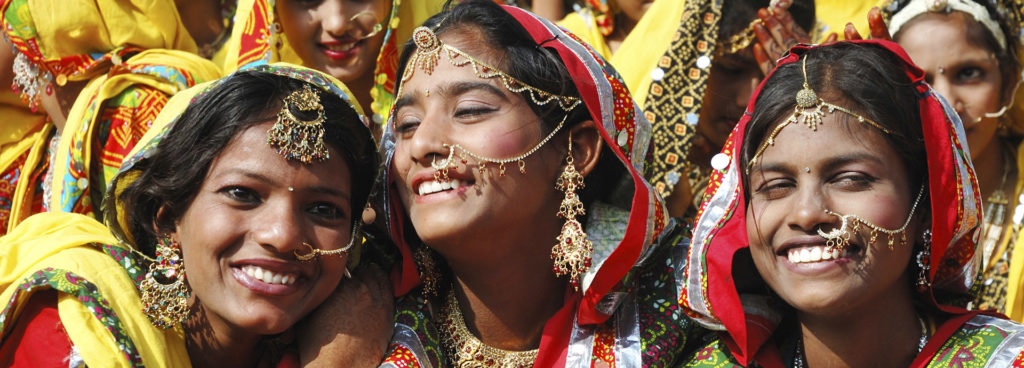
HOLI FESTIVAL, INDIA: WHAT TO WEAR AND HOW TO PREPARE
Travel to India to celebrate Holi Festival Holi is a colourful, messy ...
Read More
India rewards those who resist the temptation to choose. The forts of Rajasthan and the backwaters of Kerala exist in separate registers entirely, and the traveller who experiences both in a single journey returns home with something rare: a country held whole.
The question worth asking is how to move between these worlds without losing the thread of either.
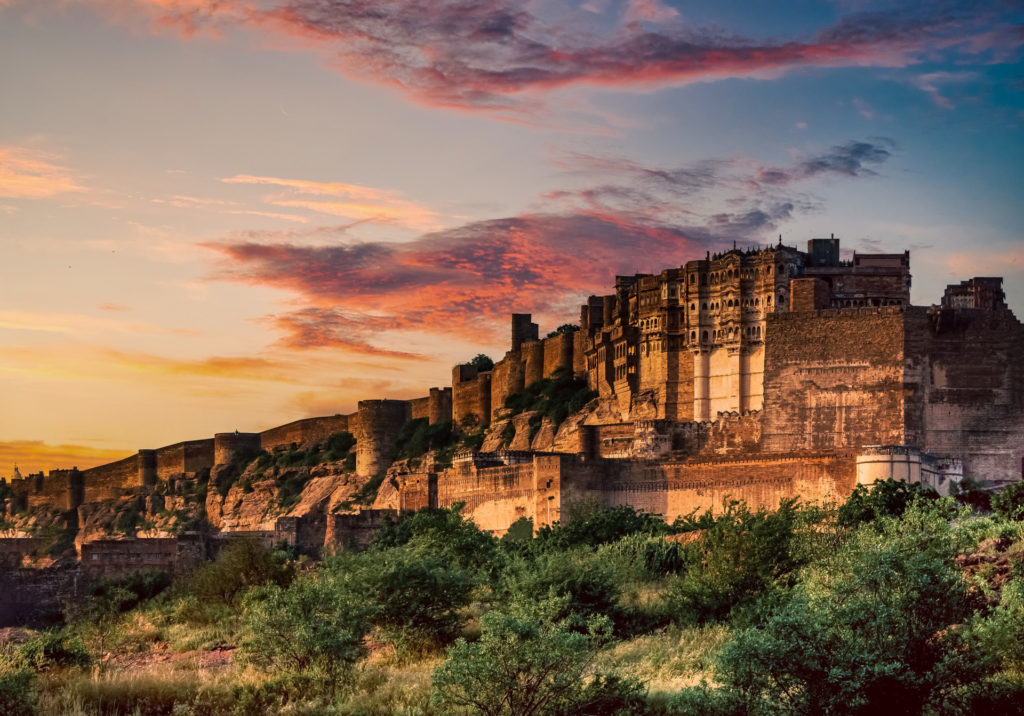
A combined north-south itinerary typically unfolds across three weeks, though a fortnight is achievable with the right infrastructure behind you. The north demands time. Rajasthan alone could absorb a week without repetition, moving through Jaipur’s pink-walled bazaars, the blue geometry of Jodhpur seen from Mehrangarh Fort, and the sand dunes at Jaisalmer that glow amber at dusk.
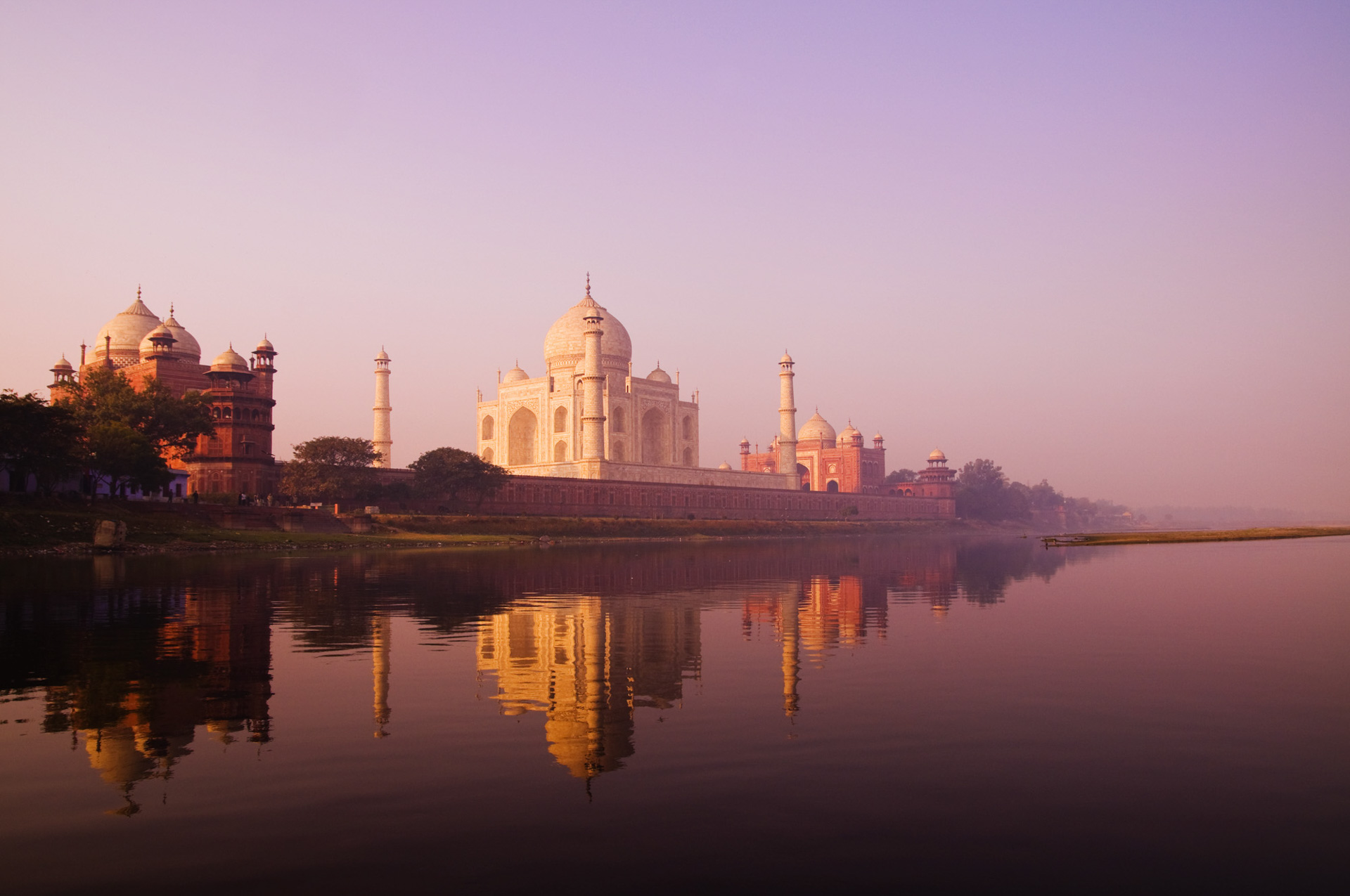
Delhi anchors the northern section and serves as your entry point. From there, the Taj Mahal at Agra is a half-day excursion best taken at dawn, before the light hardens and the coaches arrive. Many travellers choose to linger in Agra for a night, viewing the monument by both sunrise and soft late afternoon.
The transition south is handled most elegantly by air. Direct flights from Delhi or Jaipur to Kochi take under three hours. The shift in geography, pace, and aesthetic is immediate.
The south asks something different of you. Kerala operates at a gentler tempo, though its pleasures are no less considered.
Kochi is the natural gateway, a city layered with Portuguese, Dutch, and British histories alongside its own Keralan identity. The spice markets of Fort Kochi and the Chinese fishing nets strung over the harbour are better appreciated early in the morning, before the day’s heat builds.
From Kochi, the journey moves inland to Munnar, where tea plantations fold across the Western Ghats in every direction. The drive takes three to four hours through mist and cardamom groves. The properties here tend to be intimate estates converted into residences, sitting above the canopy line with views that justify the journey alone.
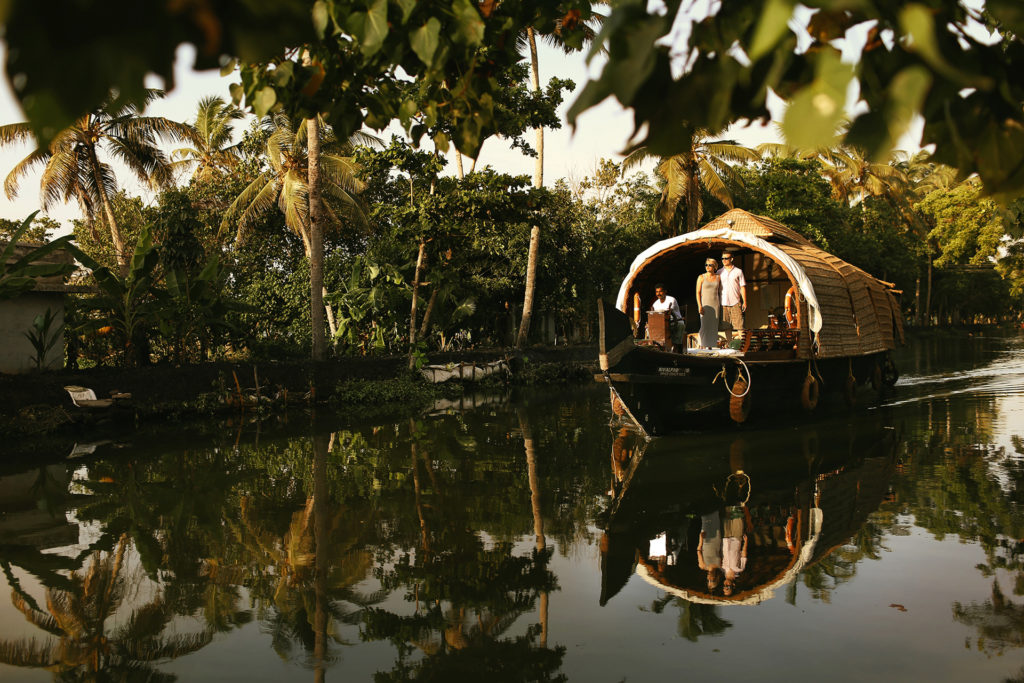
The backwaters come last. A private houseboat engaged from Alleppey drifts through a network of canals, lagoons, and paddy fields that have no equivalent elsewhere. The experience is most rewarding when approached as genuine rest.
OnThe difference between a journey that flows and one that frays at the edges is almost always logistical. India’s rail network is extraordinary but demands advance planning; its airports vary considerably in their efficiency. The most seamless itineraries are built around private transfers on the ground, internal flights between regions, and local hosts who carry institutional knowledge of their area.
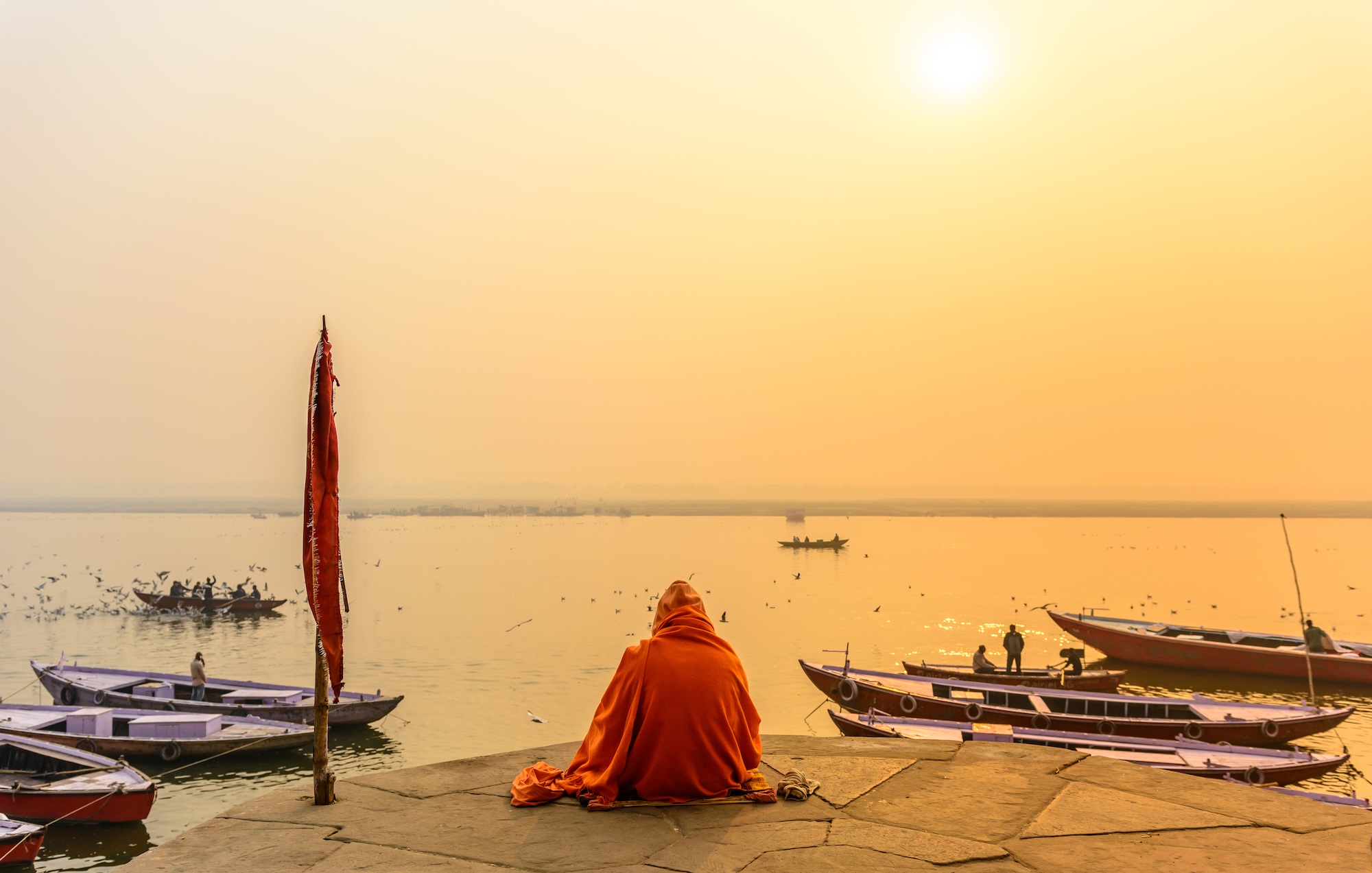
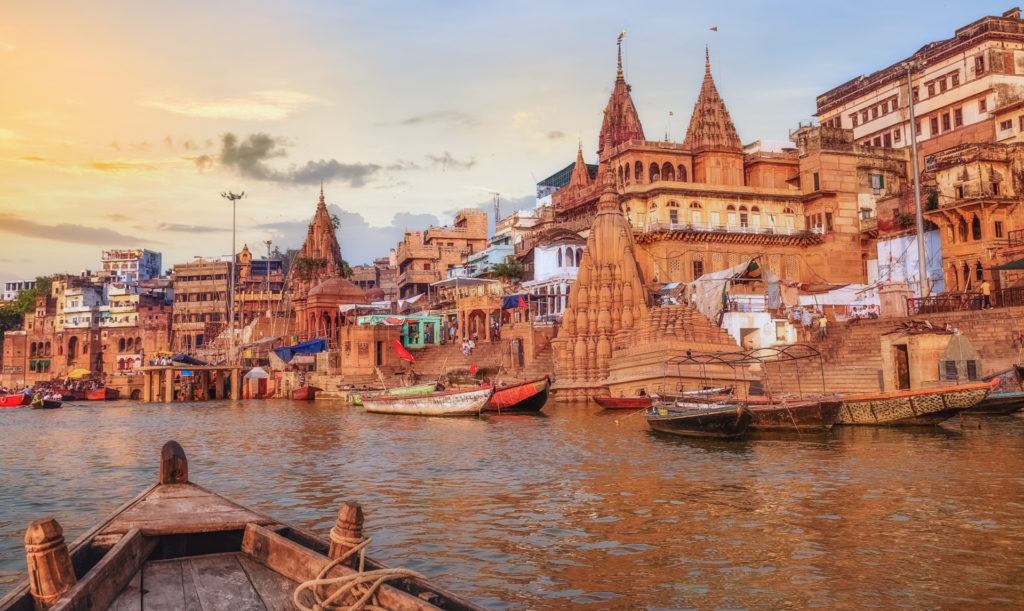
A driver who knows the back route into Jodhpur‘s old city at sunset. A host in Munnar who has a relationship with the estate producing the region’s finest single-origin tea. A guide in Varanasi who understands when to speak and when to let the ghats speak for themselves.
These are the details that cannot be booked online.
India’s two regions make competing demands on your luggage. Packing with intention is worth the effort.
The north, particularly Rajasthan in winter, turns cold after dark. Lightweight layers that compress well are more practical than heavy garments. The days remain warm and often dusty, so linen and cotton breathe better than synthetics.
Kerala stays humid year-round. Light, loose clothing in natural fabrics is appropriate throughout. Covered shoulders and ankles are advisable for temple visits across both regions.
A few further considerations: a quality dust bag for camera equipment in Rajasthan’s desert towns; a light rain shell for Munnar’s afternoon mists; good walking sandals that move between a heritage property and a spice market without looking out of place. Reef-safe sunscreen for the backwaters. A small torch for late-evening walks along unlit ghats.
Luggage itself is worth thinking about. Hard-shell cases with four wheels handle airport transfers well, but a soft-sided bag compresses more easily into the overhead compartment of domestic Indian aircraft, which operate with tighter tolerances than international cabins.

October through March covers the optimal window for both regions. The north can be cold in December and January, particularly in Rajasthan’s desert towns after dark, while Kerala remains warm and green year-round. The monsoon, which arrives in Kerala in June and sweeps north through July and August, transforms the landscape dramatically but renders some routes impractical.
India at this level is not a destination so much as a sustained encounter with a civilisation that has been building itself for thousands of years. The north carries the weight of Mughal grandeur and Rajput pride. The south moves to older rhythms, shaped by trade, temple culture, and the sea.
To travel across both, with the time and support to do it properly via a luxury India tour, is to understand why India has always been difficult to leave.
 |  |
How long does a combined north and south India trip take?
Three weeks is the recommended minimum for a journey that gives both regions their due. A two-week version is achievable but requires tighter sequencing and a willingness to prioritise. Four weeks allows for deeper stays and the kind of unhurried exploration that defines genuinely memorable travel.
Is it better to start in the north or the south?
Most itineraries begin in the north, using Delhi as the entry point before moving through Rajasthan and then flying south to Kochi. This sequencing works with the natural rhythm of the journey: the grandeur of the north gives way to the quieter pleasures of Kerala, which makes for a satisfying arc.
What internal transport options are available?
Domestic flights are the most practical connection between north and south. Private car transfers are the preferred mode within each region, offering flexibility and access to routes that scheduled transport does not serve. First-class rail is an option on certain corridors and worth considering for travellers who want to experience India’s train network.
Do I need a visa to visit India?
Most nationalities require a visa to enter India. The e-Tourist Visa is available online for eligible passport holders and covers tourism, short-term medical visits, and business travel. Processing typically takes a few days, though applying a week or more in advance is advisable. Your travel specialist will confirm the current requirements for your passport.
Is a combined north-south India journey suitable for first-time visitors?
Entirely. A well-designed luxury itinerary actually makes India more accessible for first-time visitors, not less, because the logistical complexity is handled before arrival. First-time travellers often find that having a knowledgeable local host transforms what might otherwise feel overwhelming into something coherent and deeply rewarding.
Backwaters — The network of interconnected canals, rivers, lakes, and inlets that run parallel to the Arabian Sea coast in Kerala. Traditionally used for trade and transport, the backwaters are now one of India’s most distinctive travel experiences, best explored by private houseboat.
Houseboat (Kettuvallam) — A traditional rice barge native to Kerala, converted for leisure travel. Contemporary luxury versions are fitted with private bedrooms, open-air decks, and onboard chefs. Typically engaged for overnight or multi-night journeys through the backwaters.
Mehrangarh Fort — One of the largest forts in India, built in 1459 and rising above the city of Jodhpur in Rajasthan. The museum within its walls holds an exceptional collection of Rajput artefacts, palanquins, and miniature paintings.
Mughal — Relating to the Mughal Empire, which ruled much of the Indian subcontinent from the early 16th to the mid-19th century. Mughal architecture, characterised by its use of white marble, decorative inlay, and formal garden design, produced landmarks including the Taj Mahal and Red Fort.
Rajput — A term referring to the warrior clans and ruling dynasties of Rajasthan, whose legacy is expressed in the region’s extraordinary fort and palace architecture. Many of the finest heritage hotels in Rajasthan occupy former Rajput palaces.
Ghats — Stone steps leading down to a body of water, most commonly a river. The ghats of Varanasi, descending to the Ganges, are among India’s most atmospheric sites and carry deep significance in Hindu religious practice.
Western Ghats — A mountain range running parallel to the western coast of India, recognised as a UNESCO World Heritage Site and one of the world’s biodiversity hotspots. The hill stations and tea estates of Munnar sit within this range.